





In June 2026, Turkey sold 129,979 homes — 15.9% more than a year earlier, according to the statistics institute TÜİK. It is the highest June figure in four years. Mortgage deals rose especially sharply: 25,993 sales, up 72.1% over the year — demand was spurred by more affordable credit. The new-build market grew fastest: new homes gained 23.1%, resale 12.5%. Sales to foreigners also went up, 2,015 units for the month, up 20.1%. That said, over the half-year the market is still slightly down — 699,516 deals, 3.1% below last year, so June markedly improved the overall picture.
Contents:
- What June showed
- Why mortgages are rising
- New-build outpaces resale
- What about sales to foreigners
- The half-year in figures
- Where foreigners buy most often
- Citizenship and residence through property
- What to check when buying
- What it means for the overseas buyer
- Frequently asked questions
What June showed
The June TÜİK data covers the country’s whole housing market — new-build and resale, cash and mortgage deals. Almost every measure rose against last year, and the sharpest jump came from mortgages. The key figures are in the table.
| Indicator | June 2026 |
|---|---|
| Total homes sold | 129,979 (+15.9%) |
| New-build | 43,406 (+23.1%) |
| Resale | 86,573 (+12.5%) |
| On a mortgage | 25,993 (+72.1%) |
| Sales to foreigners | 2,015 (+20.1%) |
Why mortgages are rising
A year ago a mortgage in Turkey was all but out of reach because of high inflation and expensive credit. In June 2026 the picture is different: 25,993 deals on credit — almost double last year’s. The share of mortgages in total sales rose to 20%. The growth is put down to softer lending terms and pent-up demand that has finally come to market. It was mortgages that pulled the June result up.
New-build outpaces resale
The primary market grew faster than the secondary: new homes added 23.1%, resale 12.5%. Developers are bringing projects to market more actively, and buyers are keener to take new homes under mortgage schemes. New-build accounted for 43,406 deals out of nearly 130,000 — a notable share for a market where resale has traditionally dominated.
What about sales to foreigners
The monthly figures for foreigners were a pleasant surprise: 2,015 deals, 20.1% more than June last year. But over the whole half-year the picture is more restrained — 9,083 units, 9.2% fewer than in the same period of 2025. So June broke the decline, but it is too early to speak of a firm turnaround. Much will depend on the lira and on terms for overseas buyers in the second half of the year.
The half-year in figures
Over the first half of the year Turkey sold 699,516 units — 3.1% fewer than a year earlier. Mortgage deals over the six months, however, grew markedly: 142,794, up 32.2%. The market is gradually shifting from cash sales to credit, and the June surge confirms it. For the buyer, this is a sign that bank financing in Turkey is becoming a working tool again.
Where foreigners buy most often
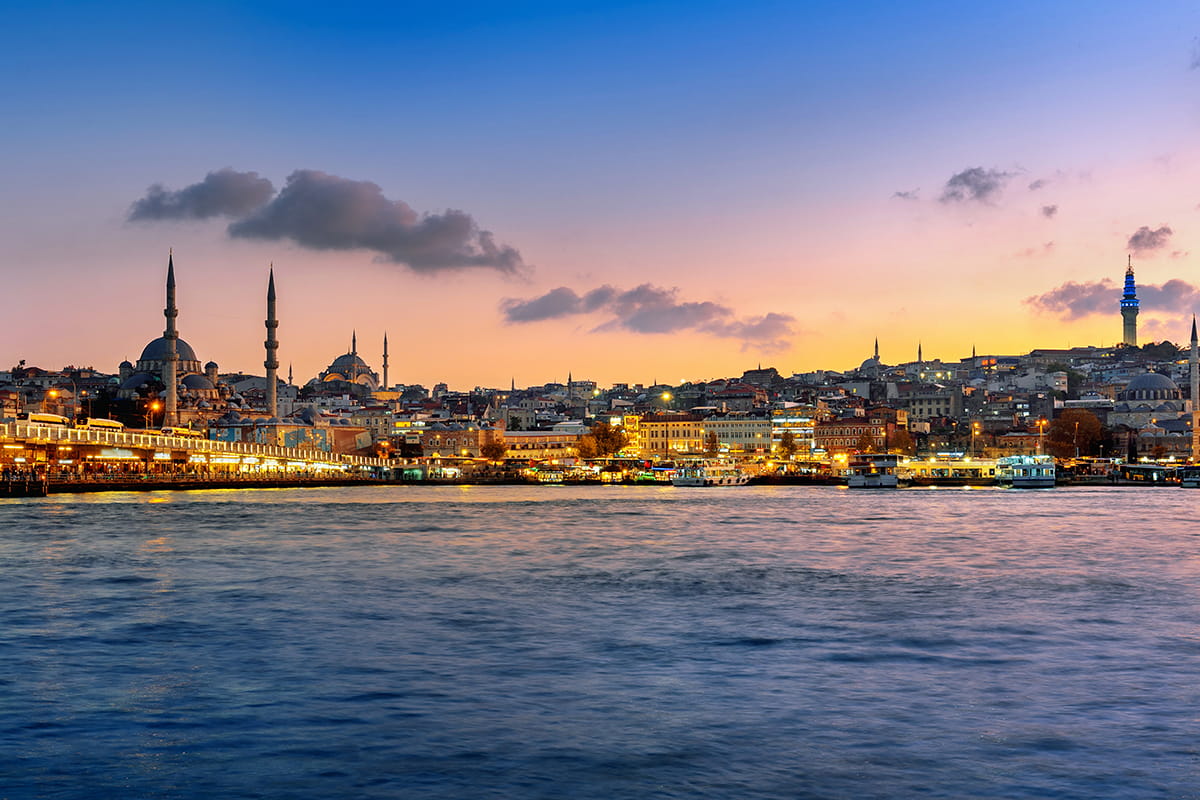
Foreign buyers’ demand is spread unevenly. Most deals fall on Istanbul and the Mediterranean resorts, where liquidity, rental income and a clear resale market come together. Buyers traditionally include citizens of Russia, the CIS, the Middle East and Europe.
- Istanbul
- Antalya and Alanya
- Bodrum and Marmaris
- Mersin, Izmir, Bursa
Citizenship and residence through property
Property in Turkey gives a foreigner not only a home but a legal status. Homeowners can obtain a residence permit, and with larger investments can apply for citizenship. The citizenship-by-investment programme remains one of the most sought-after in the world and often becomes an extra argument for buying.
- citizenship by investment — from $400,000 in property
- the property must be held for at least three years
- an alternative — a residence permit for homeowners
- a Turkish passport gives visa-free entry to many countries
What to check when buying
Buying property in Turkey as a foreigner is a clear process, but with its own formalities. From 2026, payments on deals go through a registered banking system, and an independent valuation report is compulsory for foreign buyers. Ownership is confirmed by the TAPU document — that is the first thing to check.
- TAPU — the title deed
- a compulsory valuation report (for foreign buyers)
- payments through a registered banking system (from 2026)
- compulsory earthquake insurance (DASK)
What it means for the overseas buyer
For the overseas buyer, Turkey remains one of the most affordable ways into the seaside property market. The revival in mortgages and growth in new-build mean more ready and under-construction stock, and so more choice. Prices are easier to compare in hard currency: with lira inflation, lira price tags date quickly, while a dollar benchmark holds steadier.
“The June mortgage surge shows that buyers were waiting for terms to ease and have finally got it,” say analysts at Turk.Estate.
“The half-year dip among foreigners is smoothing out: the monthly trend has already turned up,” market observers add.
Frequently asked questions
How many homes were sold in Turkey in June 2026?
129,979 units — 15.9% more than a year earlier. It is the best June figure in four years.
How much did mortgages grow?
Mortgage deals reached 25,993, up 72.1% over the year. They accounted for about 20% of all home sales.
How much property did foreigners buy?
In June, 2,015 units, 20.1% more than last year. But over the whole half-year sales to foreigners are still down: 9,083 deals, 9.2% fewer than a year earlier.